
Sex Offender Checks in Wharton County
The Texas Department of Public Safety maintains the Texas Public Sex Offender Registry from data sent and verified by local registration authorities. It is free and separate from the paid DPS Criminal History Name Search. For Wharton County, the registry can be filtered by county or narrowed to Wharton, El Campo, or East Bernard. A name route and a location route answer different questions.
Use a name search when the person is known. Use an address, city, ZIP, county, or map search for lawful community awareness near a place. DPS controls the public interface and profile fields. Local authorities handle registration and verification, then report changes to the state system. An apparent conflict should be reported rather than settled through direct contact with the registrant.
Wharton Registry Data at DPS
Local law enforcement collects required registration details and sends additions or changes to DPS. Registrants must report specified changes, including address information and other data named by law. The official Texas Sex Offender Registration Program explains the statewide program and community-notification framework.
The captured DPS program source gives Wharton County readers the statewide context behind each local profile.
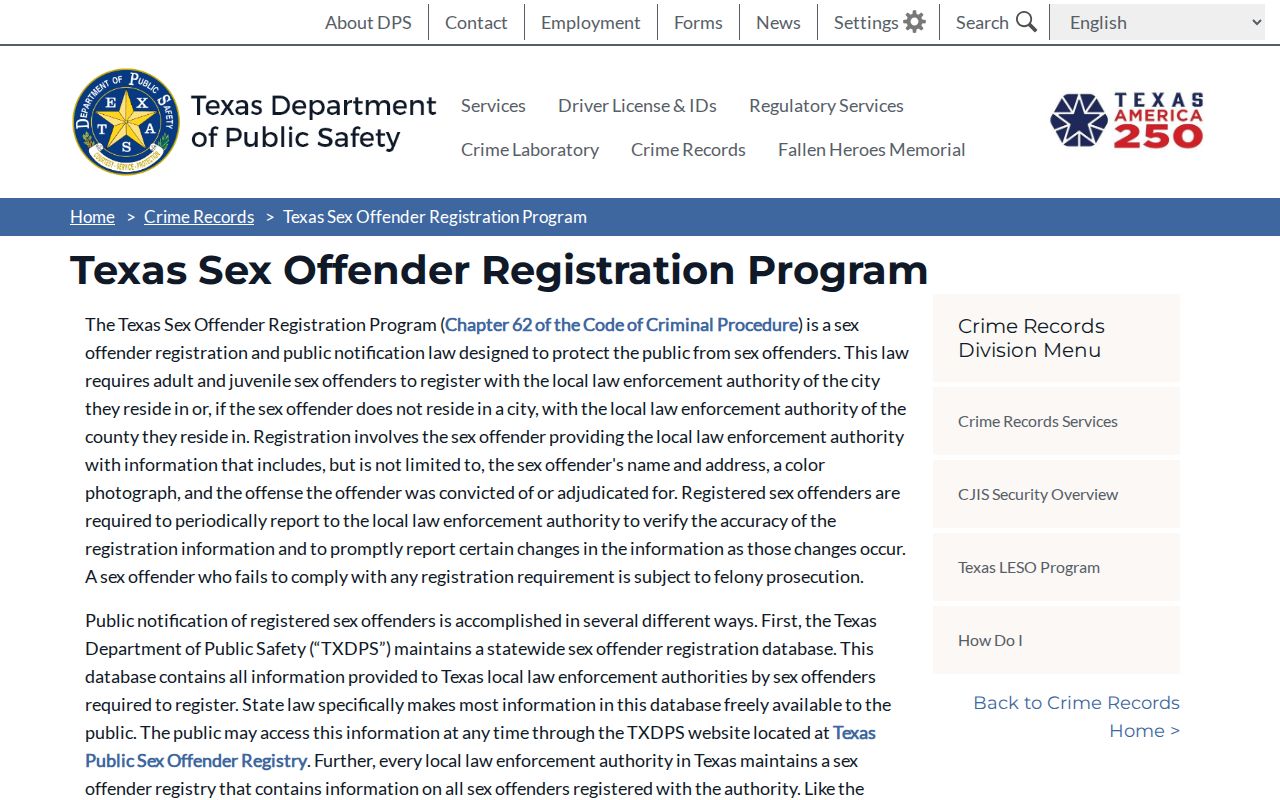
The public registry is the viewing layer, while the local authority and DPS share the record-maintenance work.
High-risk registrants and civilly committed sexually violent predators can trigger mailed community postcards. Local authorities also notify schools when required and may use other lawful publication methods. Those notices are tied to statutory categories, not a simple local label created by Wharton County.
How to Search the Texas Public Sex Offender Registry
Open the official Texas Public Sex Offender Registry search. Choose a person-based or place-based route, and use only the details needed to narrow the results. The map and geographic controls can change, so confirm live choices rather than relying on an old radius setting. A broad county search is useful when city boundaries are uncertain.
- Open the DPS registry and review its conditions of use.
- Enter a last name, adding a first name when known, or choose an address, city, ZIP, county, or map route.
- Select Wharton County or one of its incorporated cities and submit the search.
- Open a likely profile and compare aliases, physical details, registered address, offense, and current registration status.
The captured registry interface is the direct state search source.
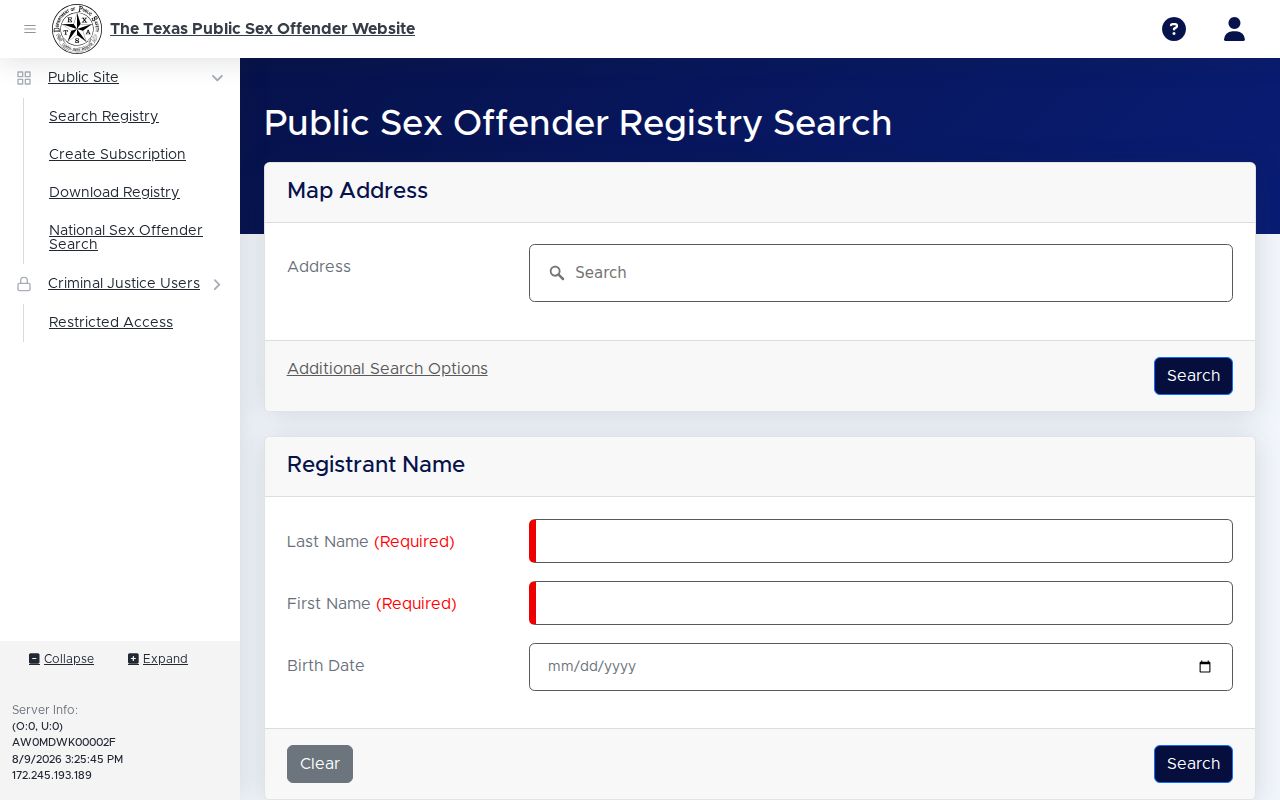
Start broad when spelling is uncertain, then narrow by place and profile facts rather than assuming the first name match is correct.
| Field or control | Type | Required | Wharton County use |
|---|---|---|---|
| Last Name | Text | Name route | Combine with first name when known |
| First Name | Text | No | Narrows common surnames |
| Address | Text | Address route | Search a known street or location |
| City | Text or dropdown | Place route | Use Wharton, El Campo, or East Bernard |
| ZIP Code | Text | No | Five-digit location filter |
| County | Dropdown | No | Select Wharton |
| Map Search | Tab or control | No | Review the live geographic view |
Wharton Registry Search Routes
Name, address, and map searches should not be treated as duplicates. A name search follows a known person and works best with a first and last name. An address search starts with a fixed place. City, ZIP, and county filters create a wider location list, while the map provides geographic context. Each path can surface a different set when data or boundary choices vary.
For Wharton County, use the county filter when an address lies outside an incorporated city or when city limits are unclear. Use a city filter for Wharton, El Campo, or East Bernard only when that city is the intended scope. Re-run the search with a second route if a known profile is not returned, and check the state interface for current controls.
When a boundary or city name is uncertain, confirm the place through the official City of Wharton, City of El Campo, or City of East Bernard source before choosing the registry filter. These city sites do not maintain the statewide profile and should not replace DPS.
Inside a Registry Profile
A public DPS profile can contain enough detail to distinguish people with similar names. It may show aliases, a recent photograph, date of birth or age, physical description, registered address, compliance or registration status, required verification, identifying marks, offense information, and some vehicle or institutional data. The offense entry may include the statute, conviction or adjudication date, court or state, and an authorized victim-age category.
| Name and aliases | Identifies the registered person and other reported names. |
|---|---|
| Photo and description | May show a recent image plus sex, race, height, weight, hair, eyes, scars, marks, and tattoos. |
| Registered address | States the public address or location information DPS is authorized to show. |
| Offense details | May list the offense, statute, adjudication date, court or state, and authorized victim-age category. |
| Registration status | Shows public compliance or status information and the verification requirement. |
| Other public data | May include certain vehicle or institutional information when authorized. |
Note: Registry inclusion follows a legal registration duty and does not predict whether a person will commit a new offense.
Wharton Registry Protected Fields
Public access has clear limits. DPS does not release Social Security numbers, driver-license numbers, home or work telephone numbers, cell numbers, online identifiers, employer contact data, information DPS separately requires, or victim-identifying information through the public profile. A court can also order juvenile information nonpublic.
The DPS registry FAQ explains both public and nonpublic fields and registration duration.
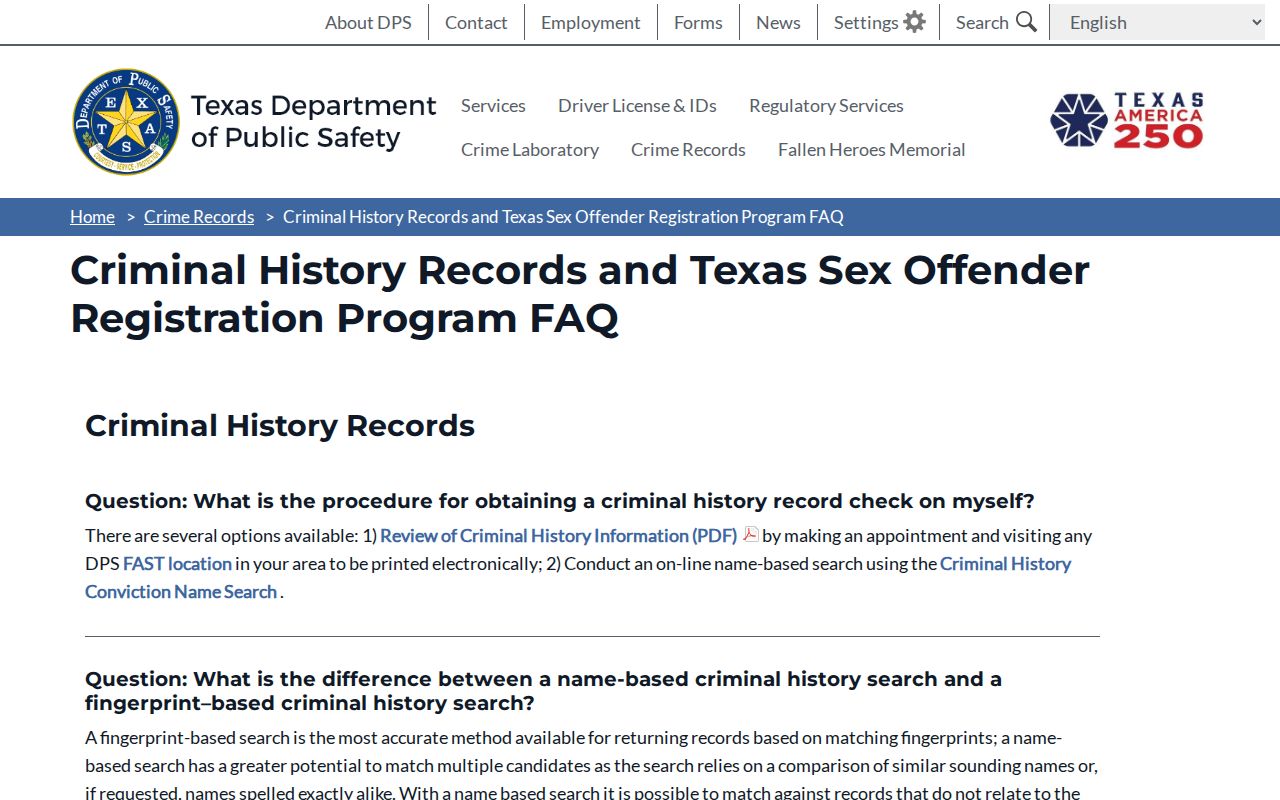
The omitted fields are not an invitation to seek them through improper means. Use the information DPS lawfully publishes.
Texas Registration Levels and Requirements
Texas does not use a simple public Tier I, II, and III label as the sole duration rule. Under Chapter 62 and the DPS FAQ, adults generally register for ten years after discharge from supervision or for life, depending on the reportable offense or adjudication and statutory category. Sexually violent offenses and other listed circumstances can require lifetime registration. Verification frequency can also differ by category.
| Texas category | Duration | Verification and public view |
|---|---|---|
| Ten-year registration path | Generally ten years after discharge from supervision | Frequency follows the applicable statutory category; authorized profile data remains public during registration |
| Lifetime registration path | Life for listed reportable offenses and circumstances | Verification follows Chapter 62 and may be more frequent for specified persons |
| Juvenile or court-restricted information | Depends on the order and governing provision | A court may make juvenile information nonpublic |
Do not import federal SORNA tier durations into a Wharton County result. Read the Texas offense-specific rule and profile status. The official Code of Criminal Procedure Chapter 62 is the controlling Texas registration law.
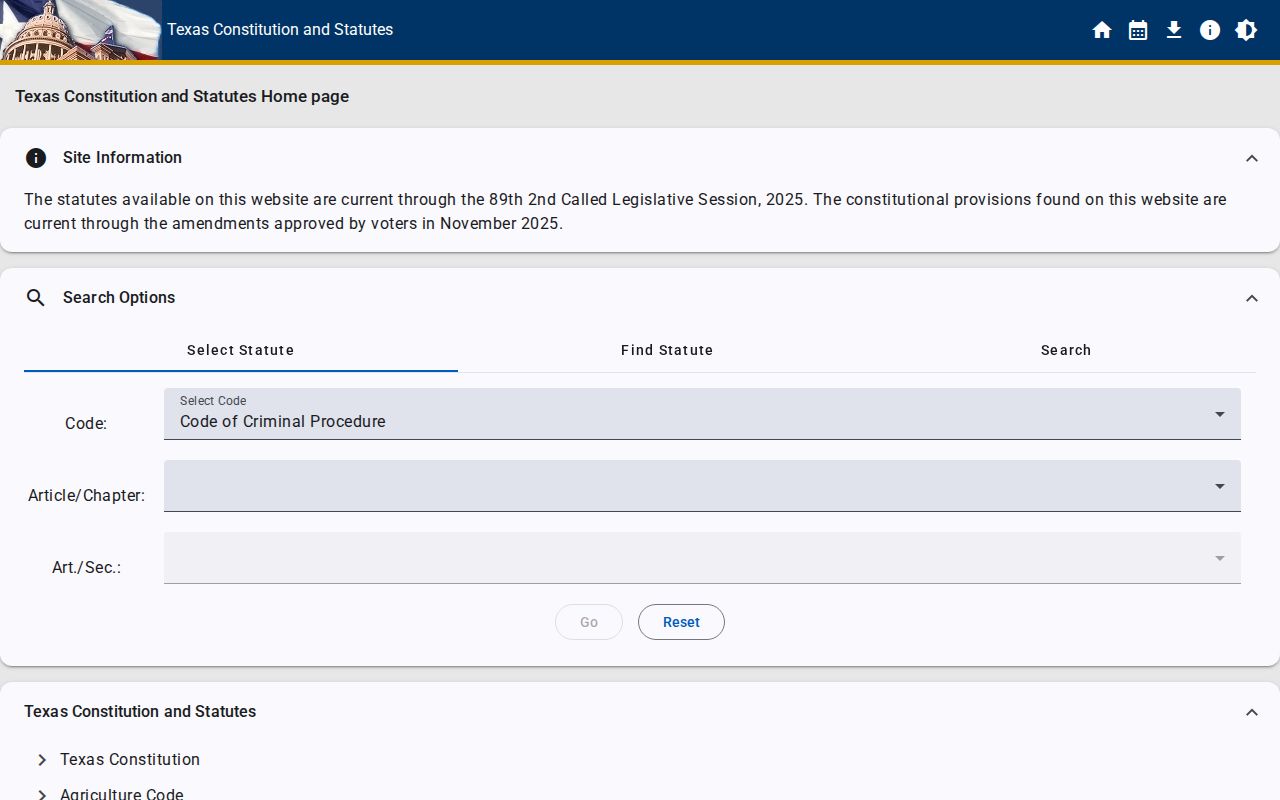
The statute source supports the ten-year, lifetime, verification, notification, and reporting distinctions used by DPS.
Wharton Searches Beyond Texas
A Texas-only search can miss a record maintained by another state, territory, or tribal jurisdiction. The U.S. Department of Justice National Sex Offender Public Website provides the cross-state public layer by routing queries across participating registries. It is useful when a name, former address, or travel pattern crosses the Texas line.
The national search source expands a Wharton County registry search without replacing the Texas profile.
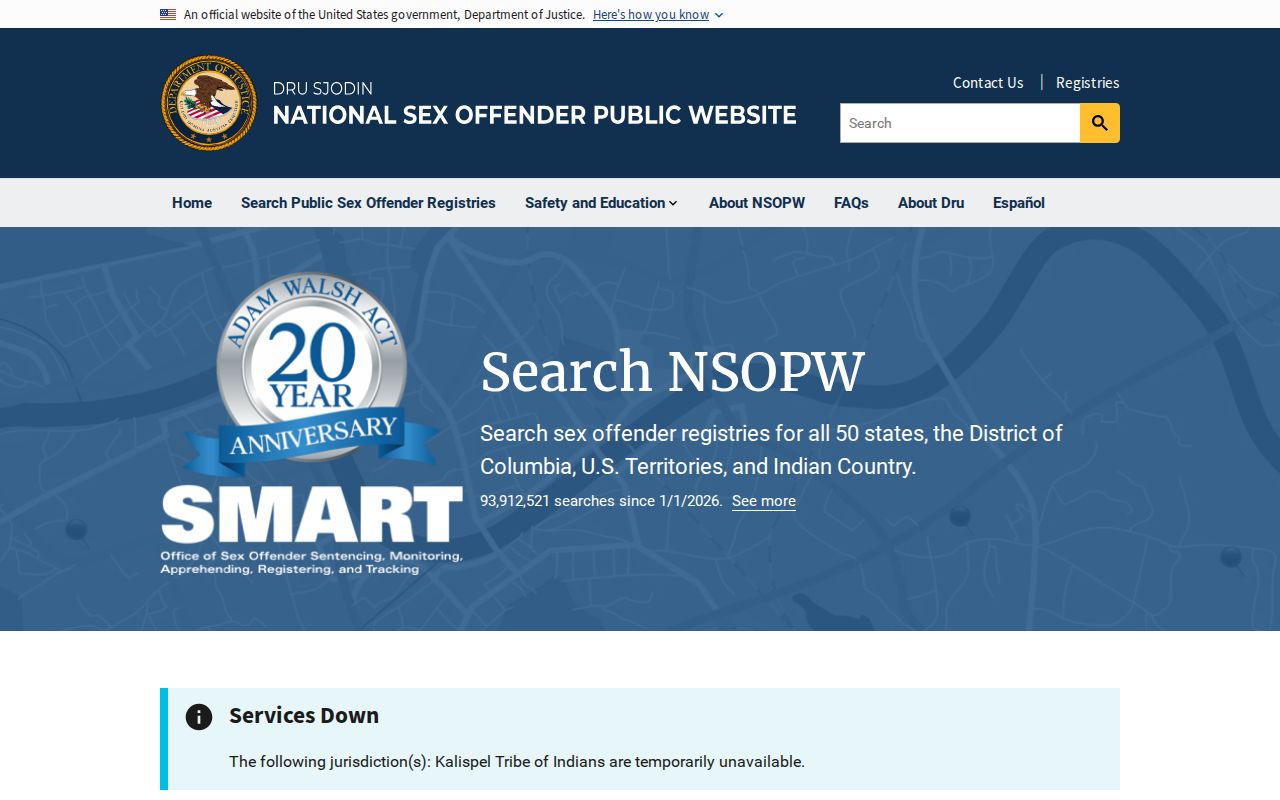
When NSOPW returns a Texas match, open the linked Texas record for the state-maintained details and current profile fields.
Jurisdictions do not all publish identical fields or use the same labels. Compare the originating registry's own profile and rules. A no-result national search does not justify treating stale or incomplete location data as confirmed.
Stale Wharton Registry Addresses
An address that looks old, incomplete, or inconsistent should be reported to the local registration authority or DPS. Do not confront the listed person or household. Provide the profile link and the reason for concern through an official channel, then let trained staff check the registration record. Local authorities verify required data and submit changes to DPS.
A suspected noncompliance issue is not proof that an offense occurred. The profile may reflect processing time, an authorized location description, a move being checked, or another status fact. Keep the report factual. Avoid publishing personal claims or trying to obtain fields that the registry intentionally withholds.
Community Notification and Lawful Use
Registry information supports lawful safety planning and community awareness. Texas can use mailed postcards for high-risk registrants and civilly committed sexually violent predators. Schools receive notice when law requires it, and local authorities may use other authorized publication methods. The profile itself does not grant power to punish, threaten, follow, or expose anyone beyond what DPS publishes.
Texas registry misuse warning: Code of Criminal Procedure Chapter 62 does not authorize harassment, threats, intimidation, or vigilante action. Misusing registry information for those acts is a crime under Texas law.
Report suspected noncompliance to law enforcement or DPS. Do not seek out a registrant or household. Verify the current state profile before relying on a copied notice or an old address. The same rule applies to a result reached through NSOPW: use the originating agency's current record and its lawful reporting channel.